
Previous: Grave Musings 4 Oak Ridge II
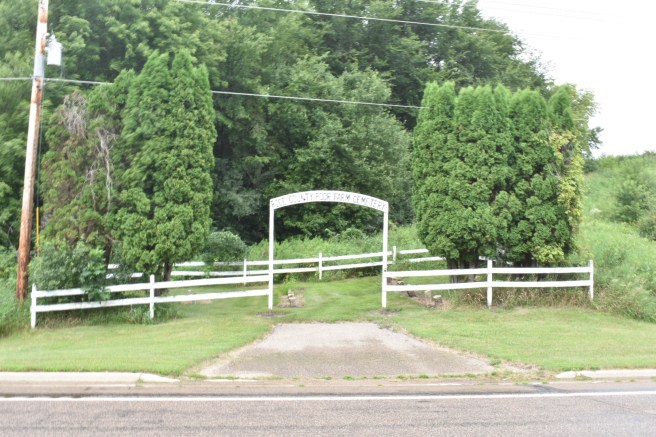
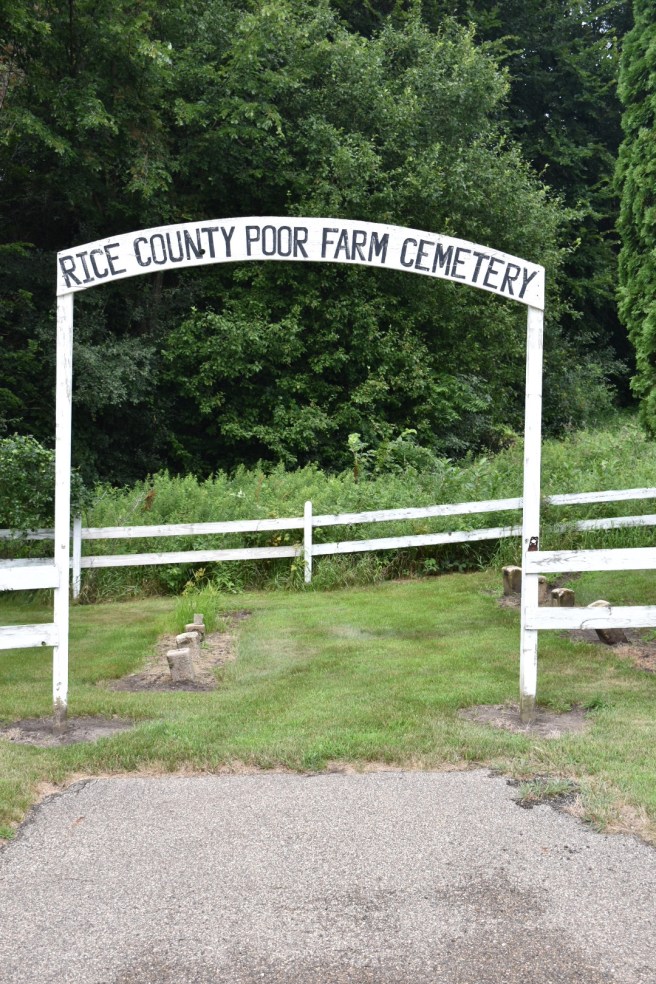
I was astonished the first time I saw this cemetery. It’s so tiny you could easily drive right by and not notice it. There are no glorious monuments, no epitaphs, no statues, no mausoleums, no lovingly placed flowers, no plaques giving the history of the place, and no posters with rules for cemetery visitors. It is spare, and that spareness makes it all the more poignant. Only fifteen stones are placed there, fifteen names etched onto plaques and attached to the stones. For all its simplicity and the sense of being forgotten, someone keeps it mowed and tended. I suspect that job belongs to a city or county employee.
I found an article online by Ethel McClure entitled “An Unlamented Era: County Poor Farms in Minnesota.” The article opens with this statement: “A time comes in the history of all enlightened communities,” wrote a local historian in the 1890s, ‘when some provision must be made for the aged and infirm poor, who have no means of support.’ That time came early in Minnesota.” These places were put in place to help those who were “sick, infirm and mentally incompetent…some were penniless, finding it impossible to make a living in the new country; not a few lost their savings to the ‘demon rum.'” Although originally support was given to those in need as individuals, eventually populations grew and the idea arose to build homes and farms for the support and care of these unfortunates, many of whom were in need of medical care as well. The concept of the farm was especially popular with county boards, since it was a way to produce some of their own foods and use the labor of the inmates to contribute to their own support. Eventually these poor farms fell out favor and were either taken down or repurposed. The last poor house in Minnesota was closed on October 1, 1963.
I don’t have a photo of Rice County’s poor house and farm, but I found one online of the poor house of one of our neighboring counties, Olmsted, located in Rochester.
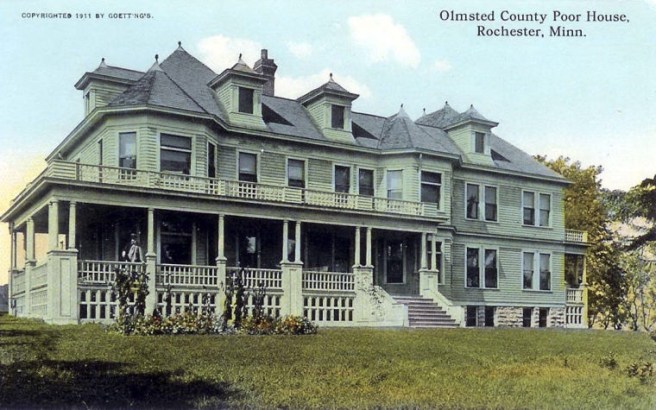
My mother was fond of telling the story about how she and Dad lived in a poorhouse the first year or two of their marriage. Technically, this was true – they lived in an apartment building that had been the county poorhouse years before.
I strolled around the cemetery and decided to take photos of each name plate on a stone. I typed up all the details and sent them to a friend who loves genealogical research, so perhaps at some future date I will have stories to tell about some of the residents of this place. For now, they are only names, but each one represents someone made in God’s image, someone who had parents, a birthplace, and circumstances that brought them to the extremity of having to live at the Rice County Poor Farm.
This small community consists of 13 men and 2 women who range in age from 29-90 years old at their death (although the 29-year-old is a definite outlier – most are 60 and older). They were born in Denmark, Sweden, Germany, Norway, York State, New York and Wisconsin. Do they have descendants in our town? Does anyone visit these graves to find a relative that they recently learned about?
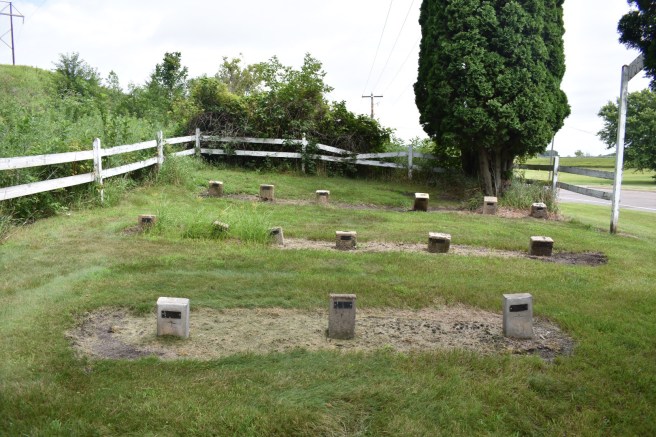


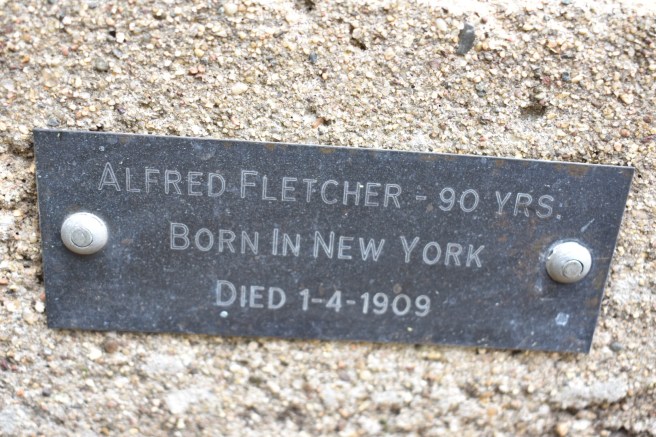

I did not tarry here, but when I drove away it was with many photos and questions about these fifteen forgotten stories.
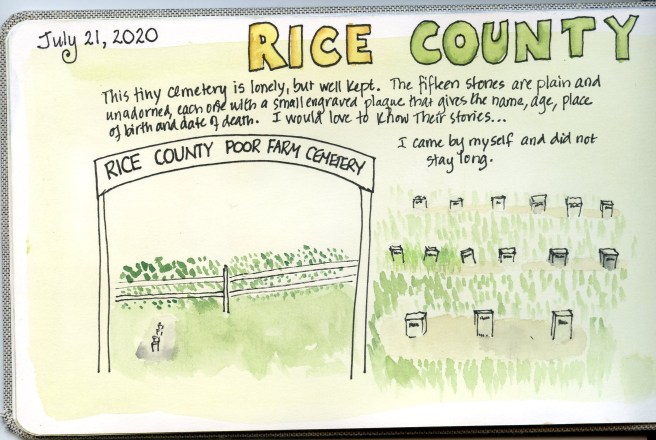
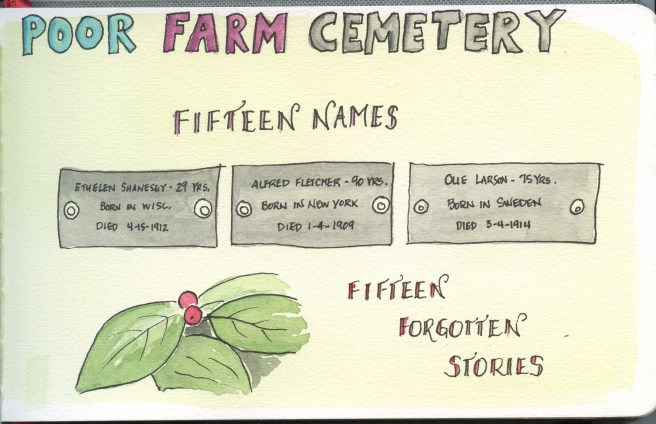
Next: Grave Musings 6 Lakewood Cemetery
Start at beginning: Grave Musings 1 Maple Lawn I
I’ll probably delete this in the morning.

 Lynniebeemuseoday
2 thoughts on “July 31, 2020 Grave Musings 5: Rice County Poor Farm Cemetery”