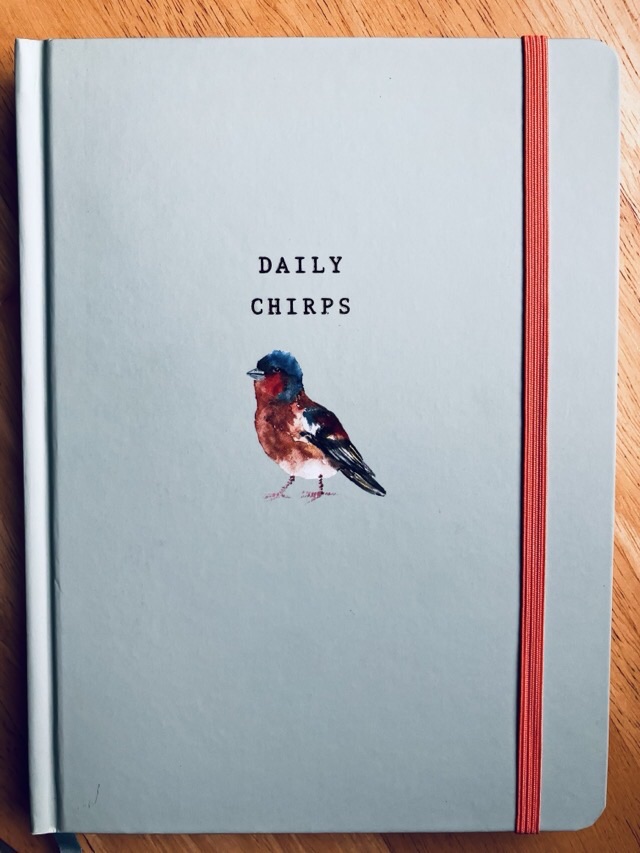
A friend gave me this charming blank book (thank you, Teresa!) over a year ago and I spent some time contemplating just how I wanted to use it. Prayer request journal? A place to enter books that I’m reading? A place to record ideas for my blog posts?
A couple months ago it came to me: this would be the perfect commonplace book! If you’ve never heard that term, a commonplace book is simply a book in which you record quotes that you come across that you want to save.
And lo, it came to pass. I’ve filled several pages with quotes and plan to continue doing it – from books I’m reading, things I run across online, or something I hear on a podcast. I’m loving it!
Therefore, on Tuesdays this year for a while, I’m going to share some of my commonplace quotes (along with occasional true stories from my life). Feel free to share in the comments section any quotes you’ve enjoyed and appreciated. I might add them to my book!
Send a heavy heart up to Christ; it shall be welcome. Samuel Rutherford
The taking up of the cross is the continual daily practice of small duties which are distasteful to us. Elisabeth Elliot
Tradition is not the worship of ashes, but the preservation of fire. Gustav Mahler
When I sit in darkness, the LORD will be a light to me. … You will cast all our sins into the depth of the sea. Micah 7:7b and 19b
You can’t solve problems for those people who don’t want their problem solved. Anonymous – found in my mother’s music cabinet November 2024
That’s all for now – and you can quote me on that! Unless I delete this in the morning.
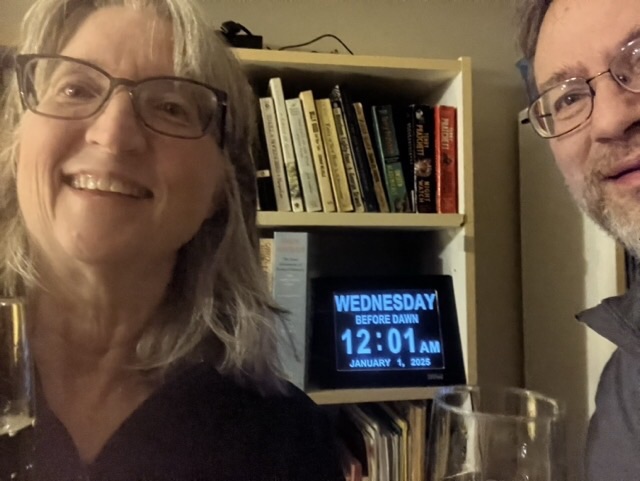
Yes, we stayed up until midnight – pretty bold move for the over-60 crowd, right? We watched “It’s a Wonderful Life,” which ended right before midnight. What did you do to ring in the new year?
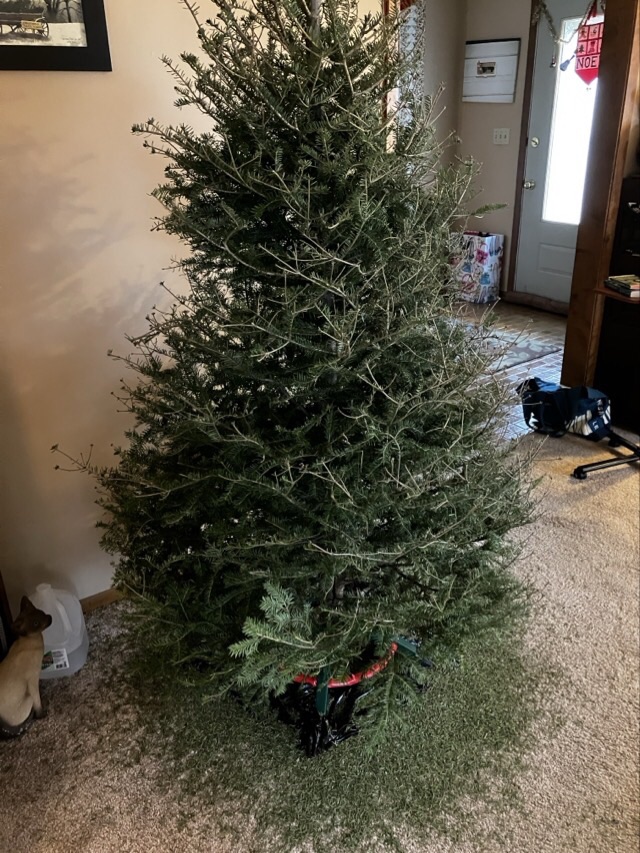
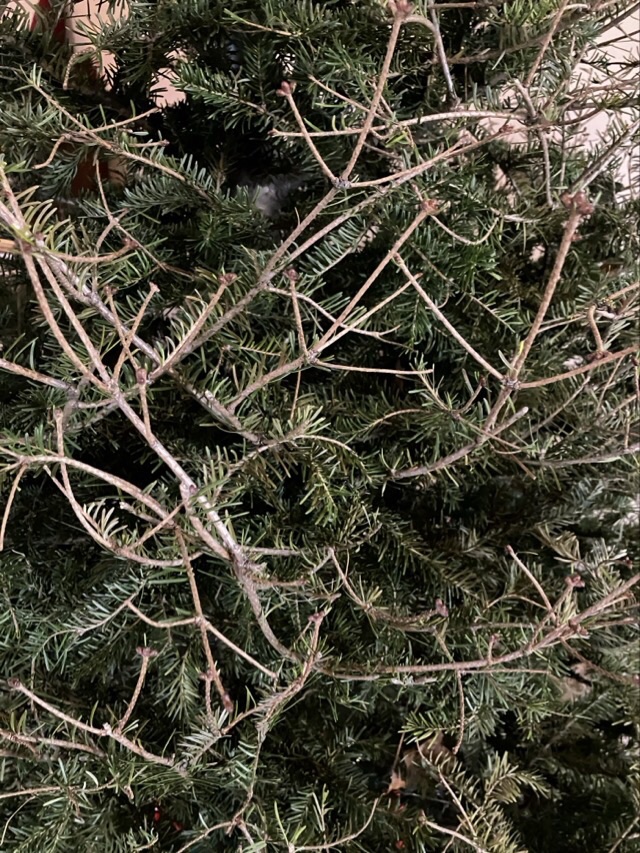
We had a Charlie Brown Christmas tree this year. It shed needles constantly. Even as we would vacuum needles off the carpet, the tree saw this as a sign that MORE needles were needed to cover the carpet and would send a shower of them to make up for what we vacuumed up. By the time we escorted it out the door, whole branches were denuded.
But no matter – Christmas came and went and ours was lovely. I hope yours was too.
There’s a Bible verse that says, “Blessed be the Lord who daily loads us with benefits.” (Psalm 68:19). I want to take a season on my blog to explore these daily loads of benefits – I’ll just do that on Mondays, but will be looking for them every day. Maybe you’ll be inspired to do the same. Here’s a couple examples:
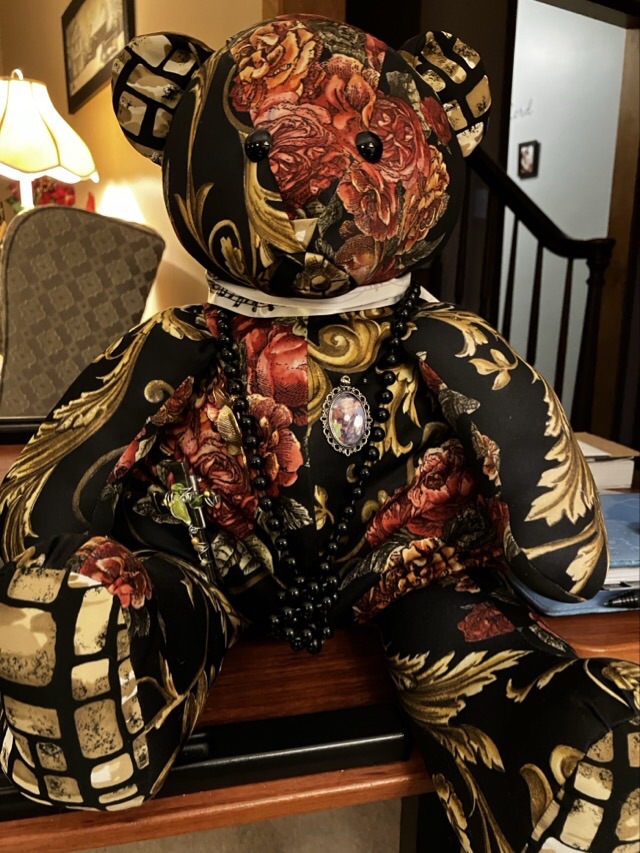
I’m still enjoying the presence of this “Mom Bear.” (See: The Mom Bear) It watches over me while I read the Bible in the morning and is a frequent reminder of my Mom who passed away last year. Thank you, Lord!
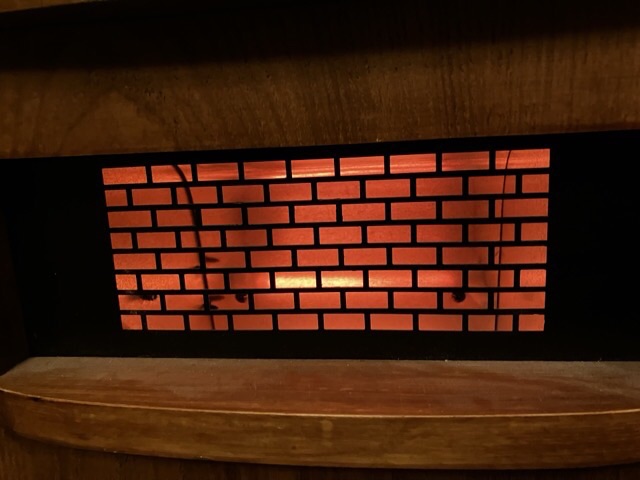
A little heater in our living room on these cold days. Thank you, Lord!
All righty then! As usual, even in the new year of 2025, I’ll probably delete this in the morning.
Here we are at the end of the year! We had a goal of visiting 11 places of interest in Minnesota, one per month, excepting January. We had to subtract April and October since our meanderings took us much farther afield and left us no time for Minnesota places. And November? What happened to November? Never mind that – none of us know what happened to subtract November from the list. It just didn’t happen. If you want to read about our other meanderings, check out these links: Spam Museum, Bell Museum of Natural History, Como Park Zoo and Conservatory, Fort Snelling, Great Lakes Aquarium, The National Eagle Center and The North American Bear Center.
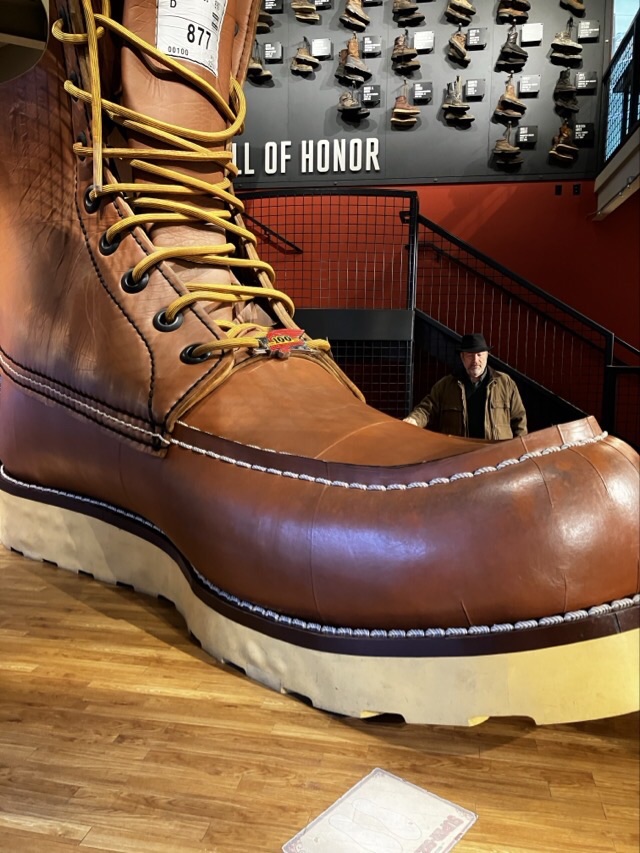
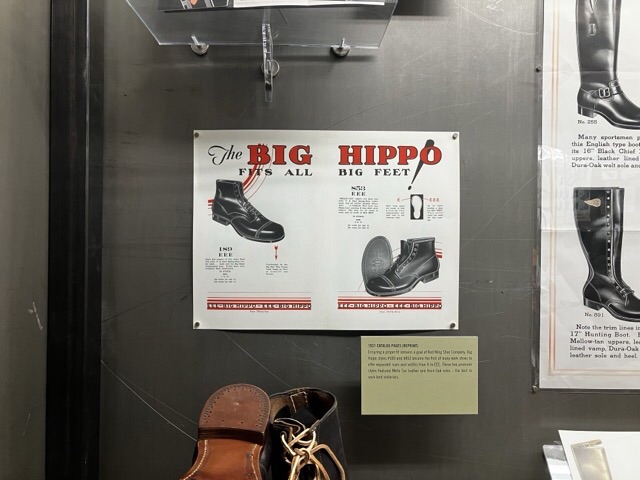
Our last Minnesota meandering in 2024 took us to the Red Wing Shoe Store and Museum in the city of Red Wing. You’re probably thinking the same thing I was: sounds pretty boring. The big draw to the museum is apparently the Big Boot (not to be confused with Big Foot), which seems like a one trick pony, and not a very great trick at that.
But I was surprised. The giant boot wasn’t just a place for tourist posing (although of course we did that). It was a display to show the true quality and value of Red Wing boots. A few fun facts about the boot: a person large enough to wear it would be 12 stories tall! The boot was assembled exactly as their regular boots, but whereas a you-sized boot would take an hour to make, this Paul Bunyan boot took 13 months to make, which included all the engineering, design and fabrication. And it was handmade, just like all their boots. The label for the boot tongue was made on a large tapestry loom in Italy.
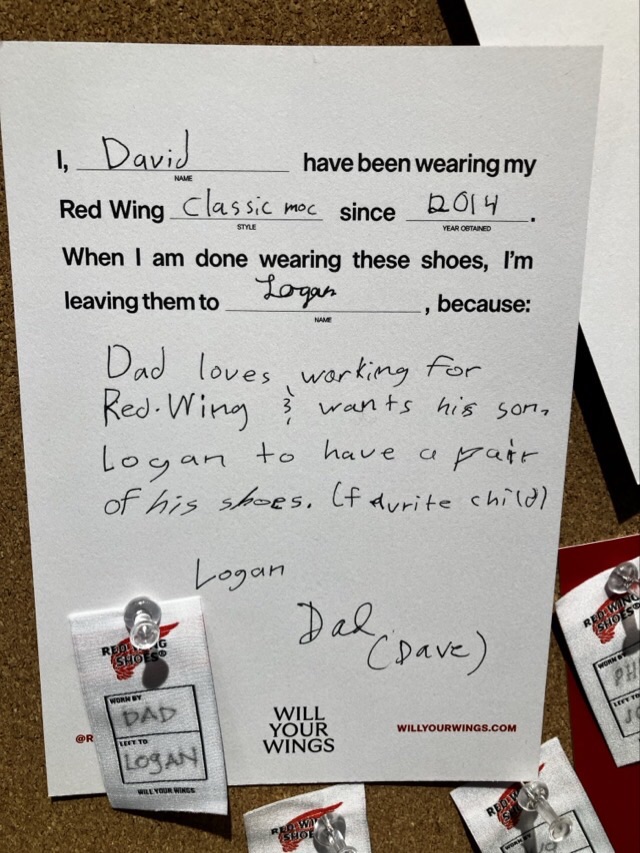
My whole disposition toward footwear has been to spend as little as possible on something comfortable to wear. I mean, it’s not like buying an heirloom, right? You wear it until you can’t wear it anymore and then you replace it. I was amused to see a display at the museum in which people appointed someone to inherit their boots after their demise (“done wearing them”). The message: these boots are meant to endure more than one lifetime. Bold claim! But what I want to know is this: are these boots made for walking? And if so, are they going to walk all over me?
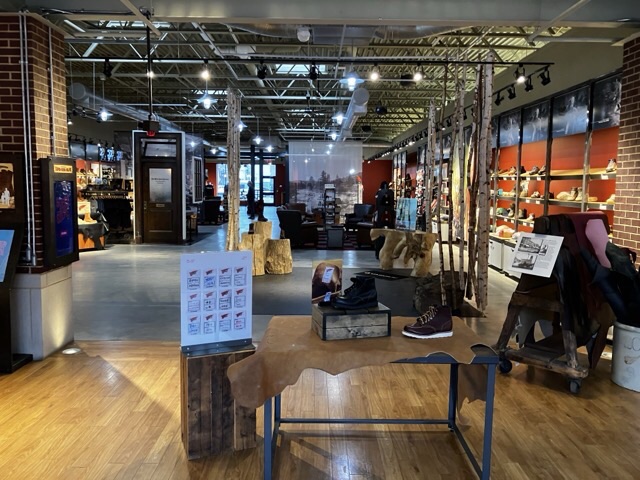
After you pass the Boot, the main floor is mostly a sales showroom, through which we did, indeed meander. No transactions took place, in spite of the powerful lure induced by the Boot. But for the first time in my life, I considered the possibility of paying $200-$300 (or more!) for footwear of excellent and enduring quality. I tell you, that giant boot performed some wizardry on me! My husband is already on Team Red Wing Shoes; in fact he was wearing Red Wing boots that day, boots he’s had for years and that he recently had re-soled and will continue to wear for years hence.
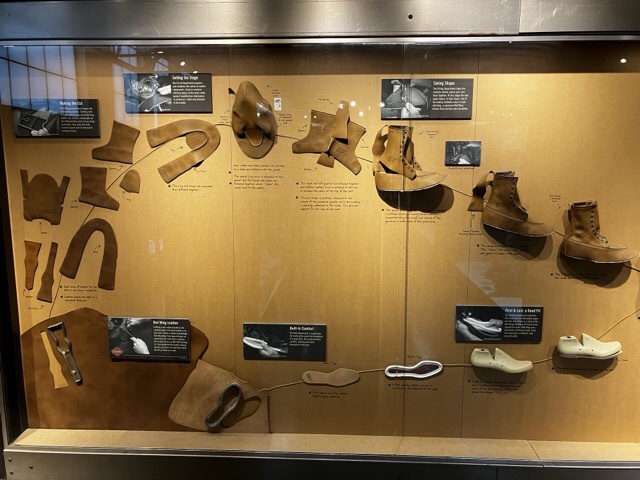
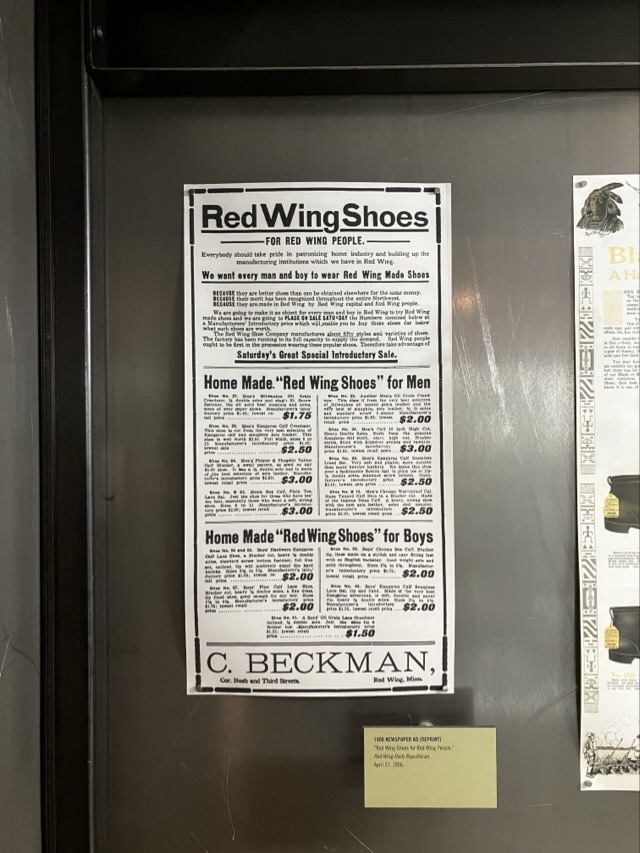
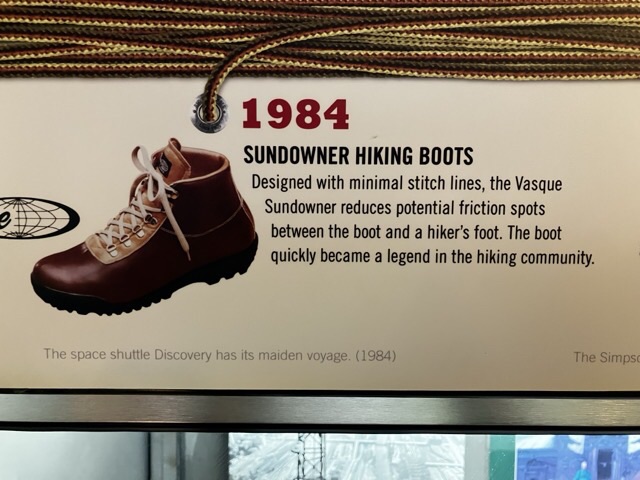
The upper floor is where the meat of the museum is and where you follow along to learn the history of Red Wing Shoes and how they are made. I’ll share a few photos below, along with trenchant commentary.
The whole process from beginning to end – I actually studied this in depth since I have done some sewing in my time. Love this attempt to get women to buy the boots: Every Outdoor Girl!The prices have risen 100-fold since they started. There’s an EEEEE width? Must be for Bigfoot. We did not hear about this legend when we were part of the hiking community. Looks pretty comfy! Billy Boot with a pocket for a small knife – with the directive “Try on a pair NOW.” It feels a little aggressive to me. “What’s the name of that boot you’re wearing?” “It’s called The BIG HIPPO…not embarrassing at all!”The guy who started it all: Charles “Big Hippo” Beckman! (Just kidding about his nickname)
There’s a bit of symmetry about our meanderings this year, since the first place we went – The Spam Museum – was essentially an advertisement for spam, just as this last museum was essentially an advertisement for Red Wing boots. And both museums were free. In the end, the Spam Museum made a sale: we bought 4 cans of the stuff after going there. The Red Wing Shoe Museum made a conquest (my heart toward footwear will never be the same), but with those prices, it might be a while before it results in a sale – it is hard to overcome my innate tightwaddiness. Even so, we tired of the spam after a couple cans, but I expect that if I ever buy a pair of those magical Red Wing boots, the shine will never wear off of them in my thoughts.
This will be my last post for this year. Merry Christmas, friends! May you hear the sweetness of the gospel in your Christmas celebrations.
This post is made for deleting – and that’s just what I’ll do… in the morning.
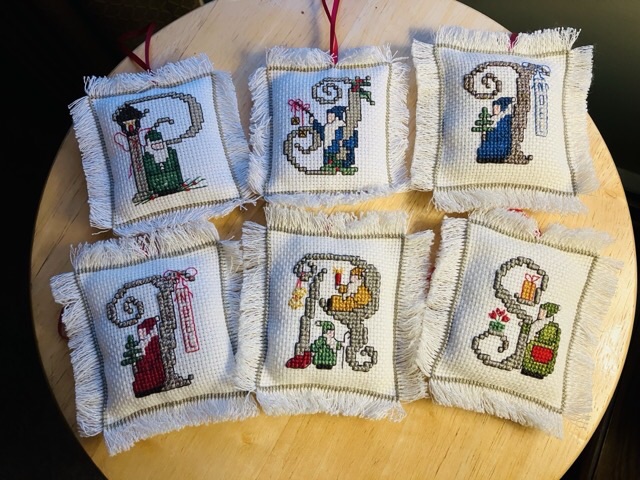
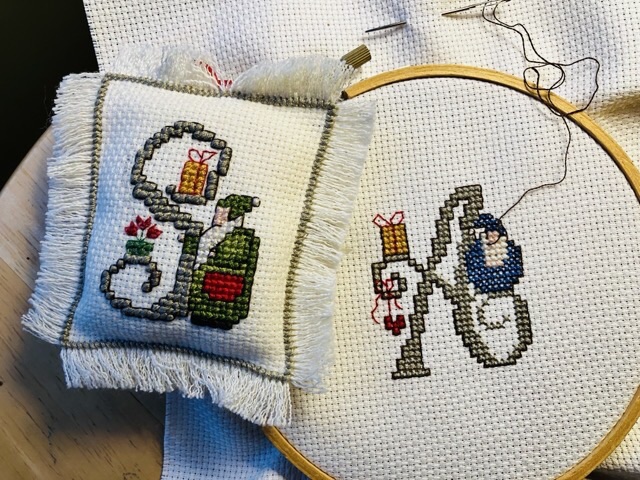
When we started having children, my mom began making (among other things) a cross-stitched Christmas ornament for each one of them. They were so charming – I loved them!
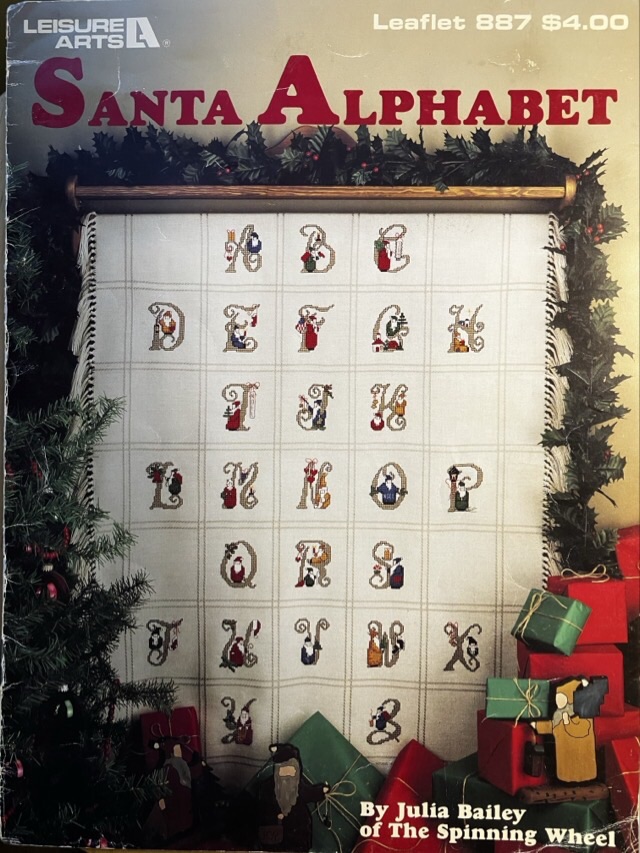
When it was clear that we were done with the whole procreating business, she passed the pattern book on to me just for fun.
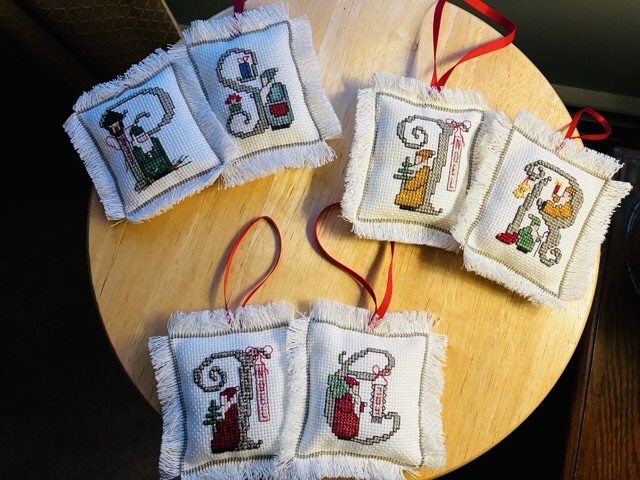
When our children have gotten married, I decided to make an ornament for each of their spouses for when they celebrate Christmas here with us.
Our youngest son got married last year and I am now working on the ornament for his lovely wife, Abby. I thought I’d work ahead of the need and make it over the summer, but here it is, three days before they get here and I’m just now getting it done. It’s pleasant work – I don’t do much counted cross stitch anymore.
I’ve thought about whether or not to make these for our grandchildren, too. We’ve got two so far and two on the way. It seems like a good idea, doesn’t it? Maybe I’ll work on those next summer…
Crafty friends, what kinds of ornaments have you made?
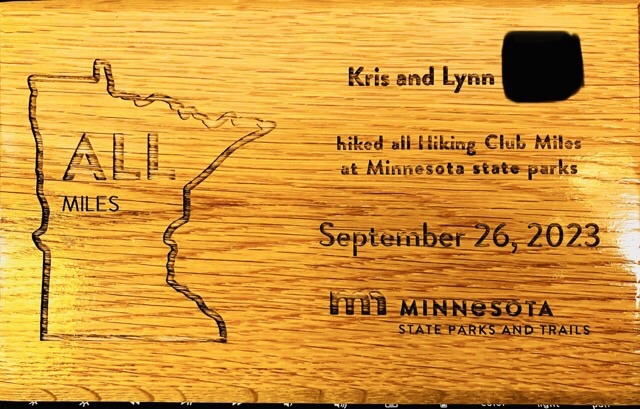
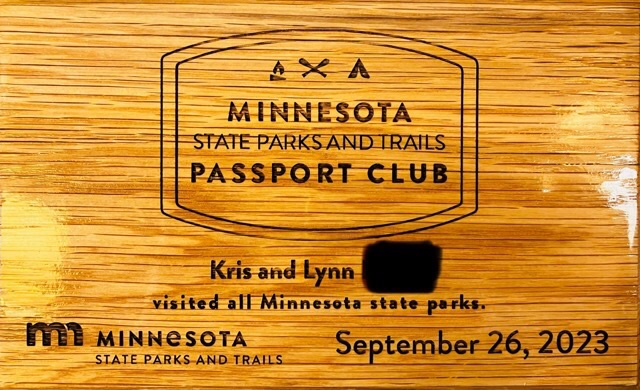
Yes, once upon a time, not so long ago, the two of us finished our tour of all the Minnesota State Parks and all of the hikes for the Hiking Club therein. We sent off the required stuff to get our plaques and then promptly forgot all about it, which was a good thing because it took them forever to get them to us. But today, in the midst of all the Christmas packages arriving, our plaques came as well. Perhaps we can think of it as a Christmas gift from the Minnesota DNR.
Each plaque is about 6.5 inches by 4.75 inches, to give you an idea of scale.
Those of you who have been following my blog for a number of years probably remember that I wrote a blog post for each hike. It gave me motivation to keep going, my general philosophy being that if I can eke out a story about something, it was worth the experience. Here’s a link to the very first one in which we nearly got annihilated by mosquitos. Read it just for fun. Frontenac State Park.
Once upon a time I said I would probably delete this in the morning.
I came across an artist on Instagram (and YouTube) who had some wonderful short tutorials for watercolor paintings that you could do in 5-10 minutes. Count me in! Her name is Emily LeFebvre if you want to check her out (emjlefebvre on Instagram).
I was intrigued in particular with her use of salt on wet watercolor to obtain certain effects – it looked positively magical! Here’s one of them:
She puts the salt on the wet watercolor and lets it dry, after which she rubs it off. The salt somehow removes the paint and creates a crystallized look that lends itself nicely to the look of snow on the trees. I gave it a try:
Ha ha! What has her salt got that mine hasn’t? I used kosher salt, just like she said! It was mostly a disaster, although I think my birds look every bit as good as hers. 😀 Undaunted I looked at another of her salted watercolor projects, figuring maybe plain table salt would do a better job. Again, here’s how hers turned out:
And mine:
I hope you’re laughing as hard as I am over the contrast between those two paintings. Table salt wasn’t the fix. She really made it look so effortless. Sigh…
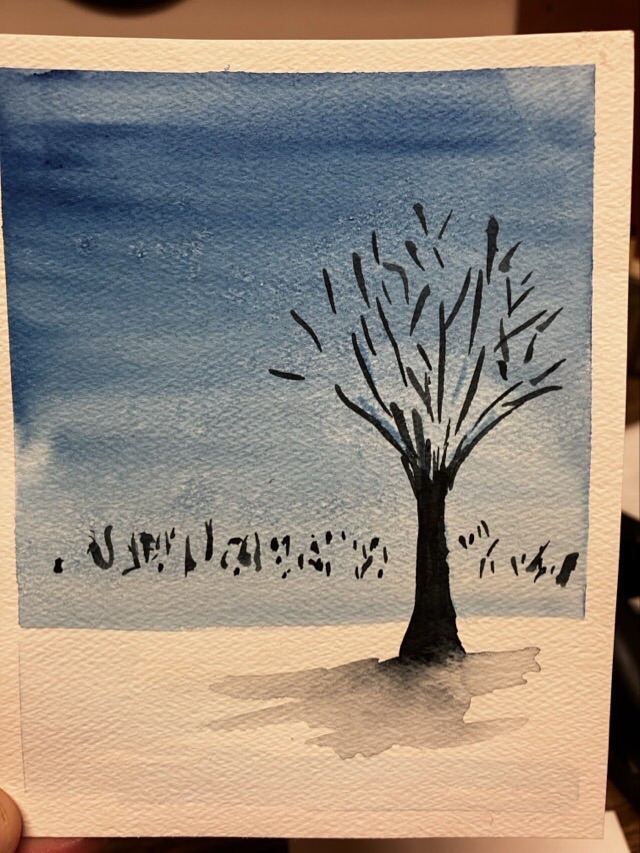
I looked over her salt-free paintings and chose a couple to work on. I’m not going to show you hers because there’s not such a stark difference between hers and mine (although hers were better). Here we go:
First attemptSecond attemptFirst attempt
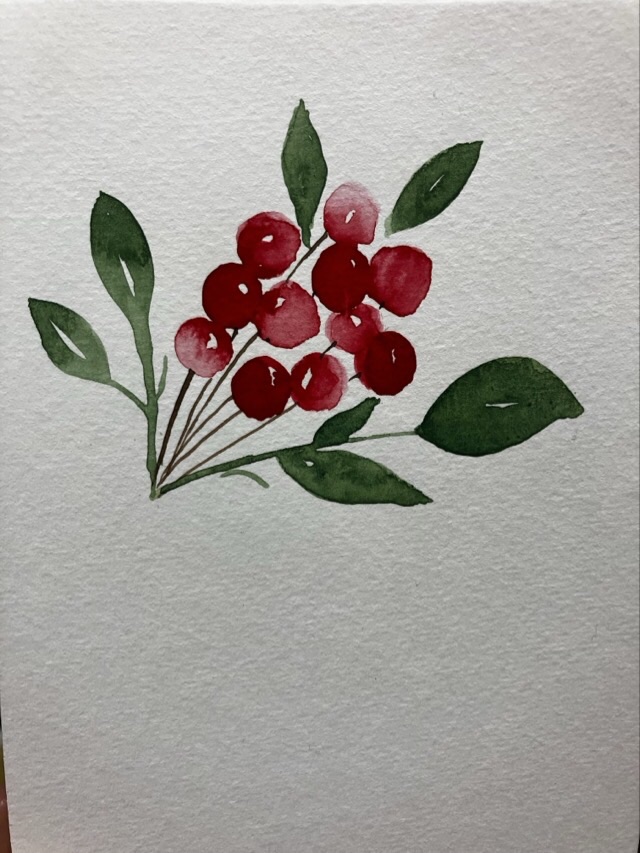
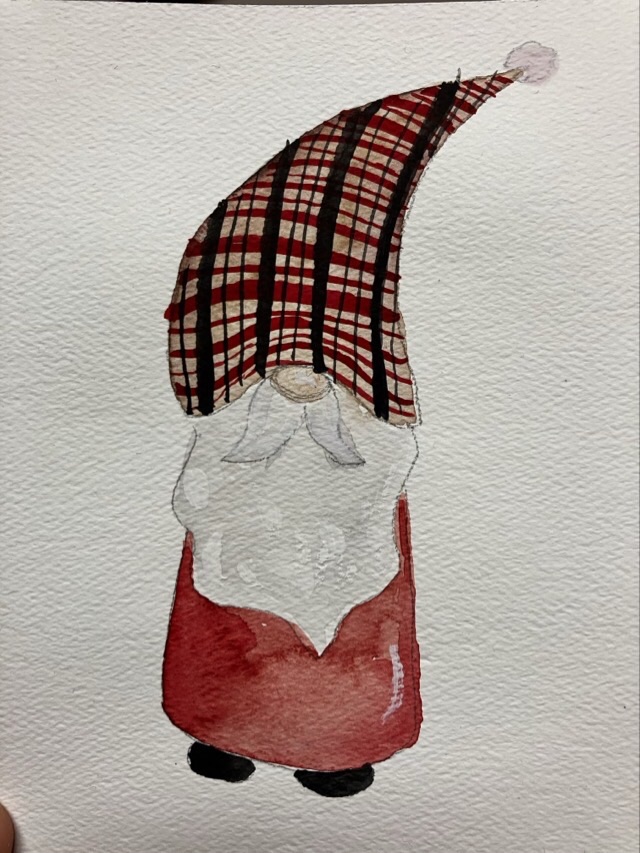
I’m wanting to do a fun painting project with my daughter and daughters-in-law when they are here for Christmas. Between the berries and the gnomes, which do you think would be more fun to work on? Which do you like better?
I’ll be rubbing the salt off this post in the morning when it’s dry.
Having shared with you some of my Kitchen Disasters it’s time to move on to some of our experiences with hospitality. Many of these involve problems in the kitchen, but not all of them.
When we were still newlyweds, my husband and I decided to invite two other couples from church over for a New Year’s Eve celebration. One of the couples had a Trivial Pursuit game that we’d played at their house. I told the wife when issuing the invitation that it would be fun to play Trivial Pursuit that night and thought making that suggestion was a good way of letting her know they should bring their game (we didn’t have one). This is a language called “Minnesota Indirect.” Naturally, she had no idea that this indirect statement was a request for their game and when they came and she realized we didn’t have it, she made her husband go back home to get theirs. Cringe! That same evening, we had planned as entertainment to watch a movie that both my husband and I had loved as children but hadn’t seen since then: My Side of the Mountain. Oh my. The acting was terrible, the script was terrible, the cinematography was laughable. At one point eagles were shown to be flying in the sky and it looked like someone had cut out some photos of eagles and dangled them in front of the camera. We were SO embarrassed and apologized profusely, offering to turn the movie off, but these kind friends good-naturedly told us it was fine and finished it out with us. That might have been one of the first times we had anyone over that wasn’t family.
We moved to another state and started having people over from our church to our little rental house. We had just gotten our first gas grill and planned a casual meal of brats with a couple that we asked over after church. My husband put the brats on the grill and then came in and we had a lively conversation with this couple until a neighbor came to the door. “I just thought you should know that your grill is on fire in the back yard,” she said helpfully. Hubby ran out back and found the brats completely burned to a crisp, becoming almost lighter than air because their substance had been so thoroughly burnt out of them. Ha ha! I think we found some hot dogs in the freezer to cook up instead.
Another time I was making cooked carrots using a steamer and again, we were chatting away with guests in the living room. Suddenly, I noticed a definite “smoky” smell, ran out to the kitchen and discovered that the water in the pan had long since boiled away, and the pan was overheating and burning. Yikes! I had to throw the pan away when it cooled off.
The only other food mishap I can remember from that house was when we invited a couple over that was new to our church. I had made a chocolate pie using my Grandma Lois’s famous chocolate pudding recipe for the filling. Unbeknownst to me, it hadn’t set and when I brought it in for our dessert, it was a gloppy mess. I served it anyway with apologies, which probably tells you something about me.
When we bought our first home and moved in, we decided to start having neighbors over to get to know them. This generally worked out well, but we invited a young couple over one night and they couldn’t bring themselves to talk to us the entire night. We’d ask questions and they’d either nod, shake their heads or give one-word answers. They never initiated any conversation and were clearly very uncomfortable around us. It was a really long night and we could hardly wait for them to leave. We also invited a family over that we’d met somewhere else, maybe at church. The invitation was clearly for a meal and the time was at the normal supper hour. Nevertheless when they showed up, they’d already eaten. Try recovering from that kind of weird social scenario! We made the best of it that we could and they sat at the table watching us eat.
Eventually we moved to back to Minnesota and at some point started having people over, either from church or the neighborhood. A new couple moved in across the street from us after a few years, so we invited them over for a meal. I was baking a pie and right about the time our guests were coming up to the door, some of the pie innards had boiled over onto the oven floor and were burning, thus sending some smoke billowing into the kitchen and setting off the fire alarm. This made a wonderful first impression, I’m sure. They were pretty laid back about it, actually.
Another memorable occasion was when we had invited an older couple from church over for a meal. I was making ravioli and five minutes before they arrived, I was trying to strain the water out of the pan, the handles slipped and the whole kit and kaboodle got dumped on the floor, splashing boiling water on me and even a little on our daughter. We both ran upstairs to get cold water running on where the water had hit our skin and my husband scooped up the ravioli off the floor and put it in a colander. I came back down, rinsed it off and put the sauce on it. We had a nice time with our guests, but I felt rather guilty about serving food we’d had to pick up off our floor and I was conscious the entire night of the painful burns on my legs. We never did tell our friends.
One last story from that house. We invited a fairly new family from church over one Sunday after the church service. I had cleaned the house on the main floor, but the upstairs where all the bedrooms were looked like a tornado had gone through it. Hubby was showing the family around the house while I was finishing something in the kitchen when I overheard him saying, “Would you like to see the upstairs?” I was absolutely horrified, but couldn’t stop them. I cringed in embarrassment at what they must be thinking upon surveying our messy house. Later on, the wife told me that when they came into our house, she didn’t think she could be comfortable with us – we appeared to have a perfect family (ha!) and everything looked so orderly, unlike how she felt her own household was. Then she saw what our house looked like upstairs and realized that we were just a normal family like theirs and she was able to relax and enjoy the time with us. What a lesson that was for me!
I’ll probably delete this when I see the smoke from a burning blog post in the morning.
Who besides me loves the season of Advent? (raise your hands high). Who besides me loves a tea party? (raise your hands high again)
If you raised your hands both times, you are my friends, even if I don’t know your name. If you didn’t, don’t worry – you can still be my friend. I’m not an elitist.
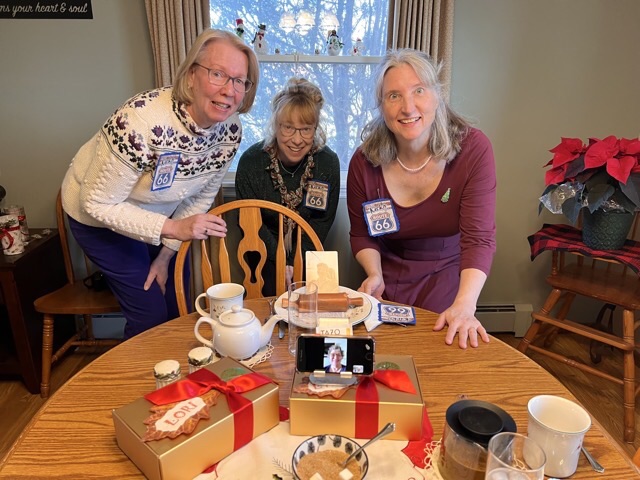
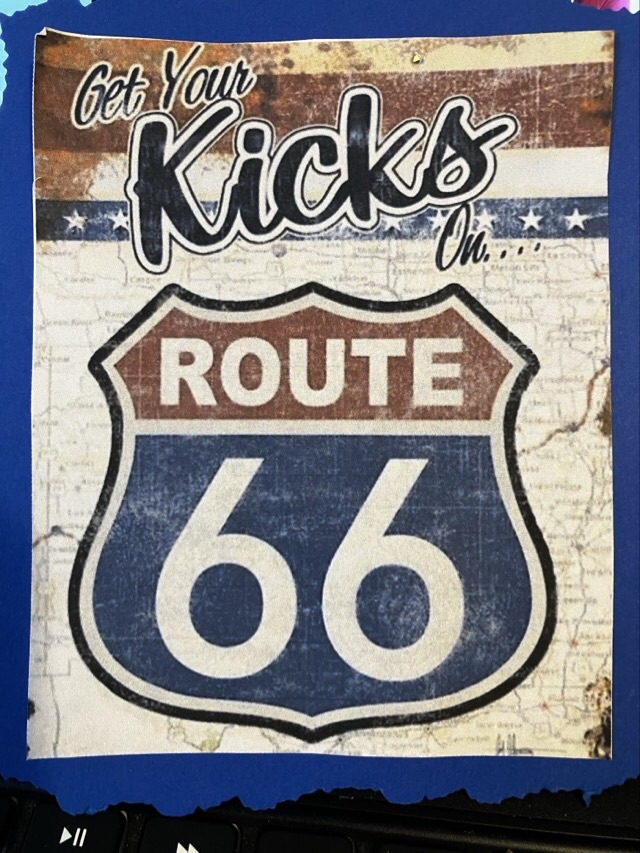
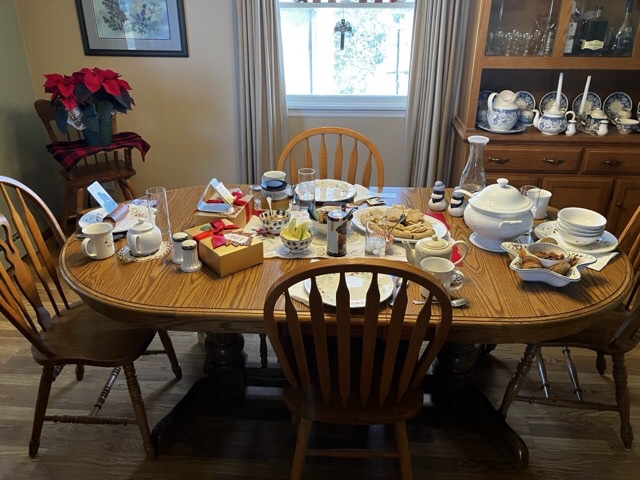
I hosted an Advent Tea Party here last week for three friends who have been in my friendship orbit for a long, long time: Lori, Teresa and Sara. I wish I’d taken more photos, but sometimes you’ve just got to live life without the camera in hand. One of our number wasn’t feeling well enough to attend, so we got a photo in which she was included long distance via FaceTime. She joined us for our prayer at the beginning as well. We all turned 66 this year, if you’re wondering about the “66” pinned to our clothing (compliments of Teresa).
A neighbor lent me her beautiful Christmas dishes. I felt positively Martha Stewart-ish! I don’t have a tablecloth, placemats or cloth napkins, so MS points were docked for that.
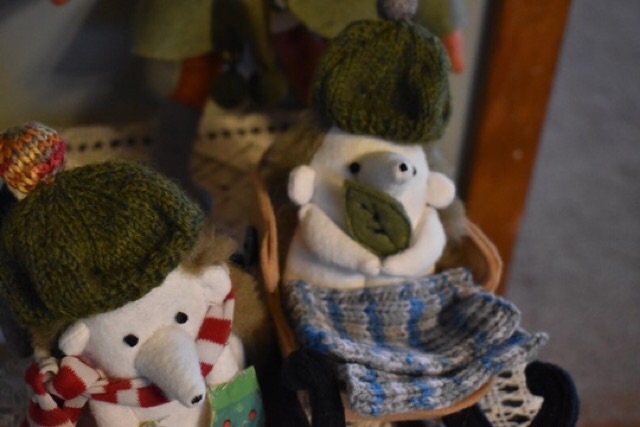
And of course I invited my felted friends. They kept an eye on us while we drank tea, feasted and did a lot of talking and laughing.
Teresa brought Percival, so he and his twin, Colonel Purslane, could have a nice reunion.
Percival on the left – oh, but I’m sure you could tell them apart!
If you’ve been longing for a tea party with friends, perhaps you’ve enjoyed this one vicariously. Now go and do likewise.
Martha Stewart and I will probably delete this in the morning.
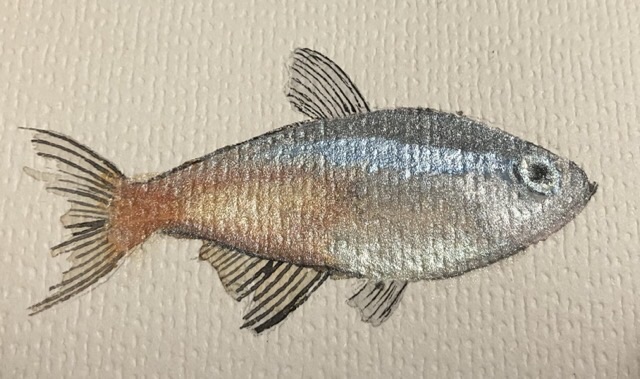
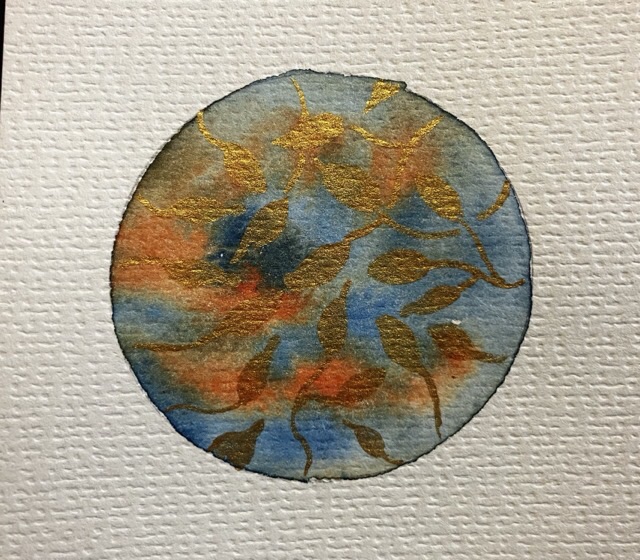
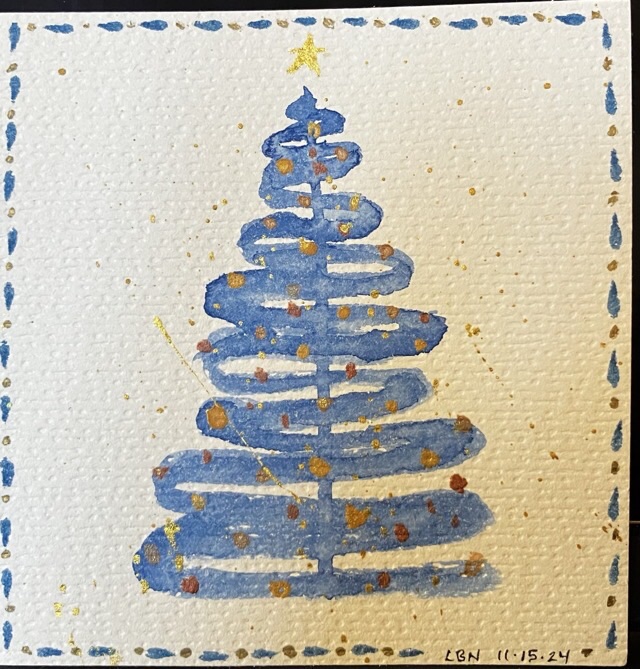
I received some metallic watercolor paints for my birthday recently and couldn’t wait to give them a workout. As usual, I went to Pinterest for some ideas and got started. I can’t show you the originals because I won’t come out favorably if comparisons are made. I never said I didn’t have glaring character flaws.
Shiny fish! I like the fact that you can’t tell what size it is. Could be a minnow, could be as big as a tuna.
I really want to like this one, but all I can think of is a Petrie dish with little squirmers on it. I didn’t get that vibe at all from the original. Sigh.
I was going for a “sloppy” look. Success! (Ha ha)
I’ll probably delete this shiny post in the morning.
Yesterday morning, my husband told me a funny story about seeing a gray shadow seeming to run across the kitchen floor and thinking at first it was a mouse, but realizing it was a weird floater in his eye. We laughed.
I came down early this morning and was puttering around the kitchen when that same gray shadow ran across one of our counters. Oh my dear husband, that was no floater. He was still asleep after having to pick our son up at the airport at 2:15 a.m., so I couldn’t wake him up just for this. I yelped and moaned and panicked. Where’s Luna when you need her? Right on cue she came wandering into the kitchen so I picked her up, set her on the counter and said sternly, “NOW DO YOUR JOB.” Normally, we forbid her presence on our counters, but desperate times call for desperate measures. She seemed interested but ultimately did not understand the mission. There were too many things in the corner on that counter behind which it was lurking. Why have I allowed things to build up there? Why? And I couldn’t even remove them because that horrible little gray shadow might be exposed and attack me. I simply cannot be expected to be rational when a mouse has invaded my kitchen.
Luna gave up and jumped back down on the floor. I glared at her and scolded: “What use are you to me?” I’m not proud of my behavior. In the meantime, I’m not going near that counter; when my husband comes down, I’ll let him remove those things from it to see if the foe is still there. My hero!!
We’ve had mice in the house before, usually right around this time of year when they come in out of the cold. Here’s how it goes down: we spot a mouse and within a few days, Luna has conquered. She really does know her job. I just don’t enjoy the interim between the mouse sighting and the mouse killing.
One time many years ago, I was sitting in the living room and saw a mouse run under the coffee table, the base of which is very close to the floor. Keeping an eye on the coffee table to make sure it didn’t escape, I called for my son Sam. We developed a plan of setting encyclopedias and other large books all around the base of the coffee table to make a wall. When the wall was erected we would lift the table and Sam would capture the mouse and take it outside. Good plan. I watched to make sure the mouse didn’t come out the other side and Sam did the heavy lifting to bring all the books. I wish I had taken a photo of that brave and bold edifice of books around the table. Let this be a lesson to those of you who eschew the multiplication of books in your home.
The moment of truth arrived. Sam put on some work gloves with which to grab the little offender, we took hold of each end of the table and lifted it up. To our dismay – and our amusement – there was no mouse. It must have run directly out the other side before I could see it, a cunning move. I salute you, Mr. Mouse, but your day will come. And it did, just a day or two later. But I must admit that the sight of a mouse carcass (usually not all there, if you know what I mean) also makes me yelp and moan and panic. Could somebody else please come and dispose of this? I’m not proud of my behavior.
Okay, just one more mouse story. Three or four years ago when everyone was here for Christmas, a kerfuffle came up when Luna spotted a mouse and began chasing it around the living room. Some “light” screaming occurred (that was me, of course.). We all tried to stay out of the way and let Luna do her work (and yes, some of us were standing on chairs). The little critter ran under the Christmas tree and right into the tree stand which was full of water and from which it could not escape. It swam around and around. Luna was somewhat stymied by this development (what do I do now?). Hubby put on a glove, grabbed the little invader out of the water, went outside and flung it out into the cold, sub-zero weather where it probably froze before it hit the ground. My hero!! And indeed, we found it the next day, frozen where it had landed. I have no regrets about how that mouse met its demise and neither should you. When it enters our house, it has declared war and we will give no quarter.
But to show that there’s no hard feelings, here’s a little comic I drew some years ago with a rather cute mouse in it. I’m not completely unfeeling.
The carcass of this post will be disposed of in the morning.

















 Lynniebeemuseoday